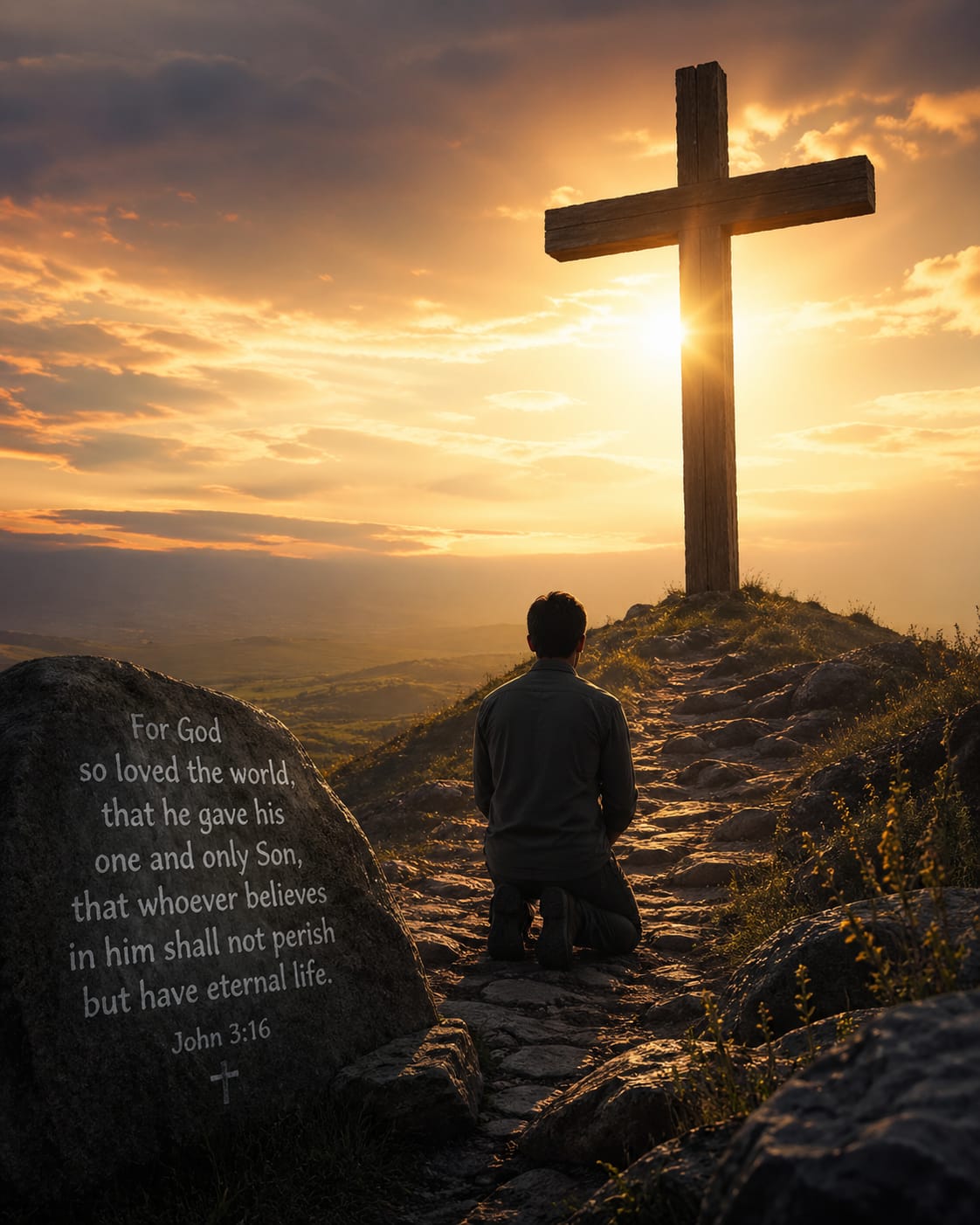
Christianity Explained
Christianity is one of the world’s largest religions, followed by billions of people across different countries and cultures. At the center of Christianity is the belief in Jesus Christ, whom Christians believe is the Son of God and the Savior of humanity. Christianity teaches love, forgiveness, faith, compassion, morality, and spiritual growth.
This article on Christianity Explained will help beginners understand the religion’s history, beliefs, traditions, holy book, important symbols, denominations, and its influence on modern society. Whether you are studying religion, comparing beliefs, or simply curious, this guide provides a clear and balanced introduction.
What Is Christianity?
Christianity is a monotheistic religion, meaning Christians believe in one God. The religion is based on the life, teachings, death, and resurrection of Jesus Christ, who lived in the first century in the region of Judea.
Christians believe that God created the universe and humanity. According to Christian teaching, humans fell into sin, but God sent Jesus Christ to bring salvation and reconnect humanity with God.
The religion spread from the Middle East to Europe, Africa, Asia, and eventually across the entire world. Today, Christianity has followers from nearly every culture and language group.
Learn more about Christianity from the official website of the Vatican.
The Origin and History of Christianity
The Birth of Christianity
Christianity began around 2,000 years ago in the Roman province of Judea. Jesus Christ preached about love, repentance, faith, and the Kingdom of God. His followers believed He performed miracles, healed the sick, and taught divine truth.
After Jesus was crucified by Roman authorities, Christians believe He rose from the dead three days later. This event, called the Resurrection, became the foundation of Christian faith.
The early followers of Jesus, known as apostles, spread Christianity throughout the Roman Empire despite persecution.
Christianity in the Roman Empire
One of the most important figures in early Christianity was Saint Paul. Paul traveled widely and wrote letters that later became part of the New Testament.
In the 4th century, Roman Emperor Constantine the Great legalized Christianity through the Edict of Milan. Christianity later became the dominant religion of the Roman Empire.
Spread Across the World
Christianity spread through missionaries, trade, education, colonization, and cultural exchange. Churches, schools, and charitable organizations played major roles in its growth.
Today, Christianity is practiced in countries such as:
- United States
- Brazil
- Philippines
- Nigeria
- India
For more historical information, visit Britannica – Christianity.
Core Beliefs of Christianity
Belief in One God
Christians believe in one eternal God who created heaven and earth. Christianity teaches that God is loving, just, merciful, and all-powerful.
The Holy Trinity
One of Christianity’s unique teachings is the Trinity:
- God the Father
- God the Son (Jesus Christ)
- God the Holy Spirit
Christians believe these are three persons in one God.
Jesus Christ
Jesus Christ is central to Christianity. Christians believe He was born through the Virgin Mary, lived a sinless life, performed miracles, died on the cross, and rose again.
Jesus taught important values such as:
- Love your neighbor
- Forgive others
- Help the poor
- Seek truth
- Trust in God
Salvation
Christians believe salvation comes through faith in Jesus Christ. Salvation means forgiveness of sins and eternal life with God.
Different Christian groups may explain salvation differently, but most agree that faith, repentance, and God’s grace are essential.
The Bible: The Holy Book of Christianity
The Bible is the sacred scripture of Christianity. It is divided into two main sections:
Old Testament
The Old Testament contains stories, laws, poetry, and prophecies written before the birth of Jesus Christ.
Important figures include:
- Moses
- Abraham
- David
New Testament
The New Testament focuses on Jesus Christ and the early Christian Church. It includes:
- The Gospels
- Acts of the Apostles
- Letters of Paul
- Revelation
The four Gospels describe the life and teachings of Jesus.
Read the Bible online at Bible Gateway.
Major Branches of Christianity
Christianity has different denominations or branches. Although beliefs may vary, all major groups center around Jesus Christ.
Roman Catholic Church
The Catholic Church is the world’s largest Christian denomination. Catholics recognize the authority of the Pope in Vatican City.
Catholic worship includes sacraments, prayer, traditions, and church rituals.
Official Catholic resources are available on Catholic Answers.
Protestant Christianity
Protestant Christianity began during the Reformation in the 16th century. Reformers such as Martin Luther challenged certain church practices.
Protestant churches often emphasize:
- Personal faith
- Reading the Bible
- Salvation through faith
There are many Protestant groups including Baptists, Methodists, Lutherans, and Pentecostals.
Eastern Orthodox Church
The Eastern Orthodox Church is one of the oldest Christian traditions. Orthodox Christianity emphasizes ancient worship practices, icons, prayer, and spiritual discipline.
Christian Worship and Practices
Prayer
Prayer is an important part of Christianity. Christians pray individually and collectively to communicate with God.
Common types of prayer include:
- Thanksgiving
- Worship
- Confession
- Requests for help
Church Services
Christians gather in churches for worship, singing, Bible reading, sermons, and prayer.
Popular forms of worship vary by denomination and culture.
Baptism
Baptism symbolizes spiritual cleansing and commitment to Christianity. It often involves water and represents entering the Christian faith.
Communion
Communion, also called the Eucharist or Lord’s Supper, remembers Jesus Christ’s sacrifice.
Important Christian Festivals
Christmas
Christmas celebrates the birth of Jesus Christ on December 25.
Common traditions include:
- Decorating Christmas trees
- Giving gifts
- Church services
- Singing carols
Easter
Easter celebrates the resurrection of Jesus Christ.
Easter is considered the most important Christian festival because it represents victory over sin and death.
Learn more at History – Christianity and Christian Holidays.
Christian Symbols
The Cross
The cross is the most recognized symbol of Christianity. It represents the crucifixion and sacrifice of Jesus Christ.


The Fish Symbol
The fish symbol, known as Ichthys, was used by early Christians as a secret sign of faith.


Christianity and Morality
Christian teachings emphasize moral living and compassion. Important values include:
- Honesty
- Kindness
- Forgiveness
- Charity
- Humility
- Respect for others
Many Christian organizations operate schools, hospitals, orphanages, and humanitarian missions worldwide.
Examples include:
- Salvation Army
- World Vision
Visit World Vision for humanitarian work inspired by Christianity.
Christianity in the Modern World
Christianity continues to influence art, culture, ethics, education, music, literature, and politics.
Christian music, films, books, and online communities are popular across many countries. Churches also engage in social work, disaster relief, and mental health support.
However, Christianity also faces modern debates on science, secularism, ethics, and social issues. Different Christians interpret scripture and traditions differently.
Christianity in India
Christianity has a long history in India. According to tradition, Thomas the Apostle arrived in India in the first century.
Today, Christian communities exist across India, especially in:
- Kerala
- Goa
- Nagaland
- Mizoram
Indian Christianity includes Catholic, Protestant, Orthodox, and independent churches.
Common Misunderstandings About Christianity
“All Christians Are the Same”
Christianity contains many denominations and traditions. Worship styles and interpretations can differ greatly.
“Christianity Is Only a Western Religion”
Christianity exists globally and has ancient roots in the Middle East, Africa, and Asia.
“Science and Christianity Always Conflict”
Many Christians support scientific research and education. Throughout history, some scientists were also Christians.
Why People Follow Christianity
People follow Christianity for different reasons, including:
- Faith in Jesus Christ
- Spiritual guidance
- Sense of community
- Moral teachings
- Hope and purpose
- Family traditions
For many believers, Christianity provides emotional support and meaning during difficult times.